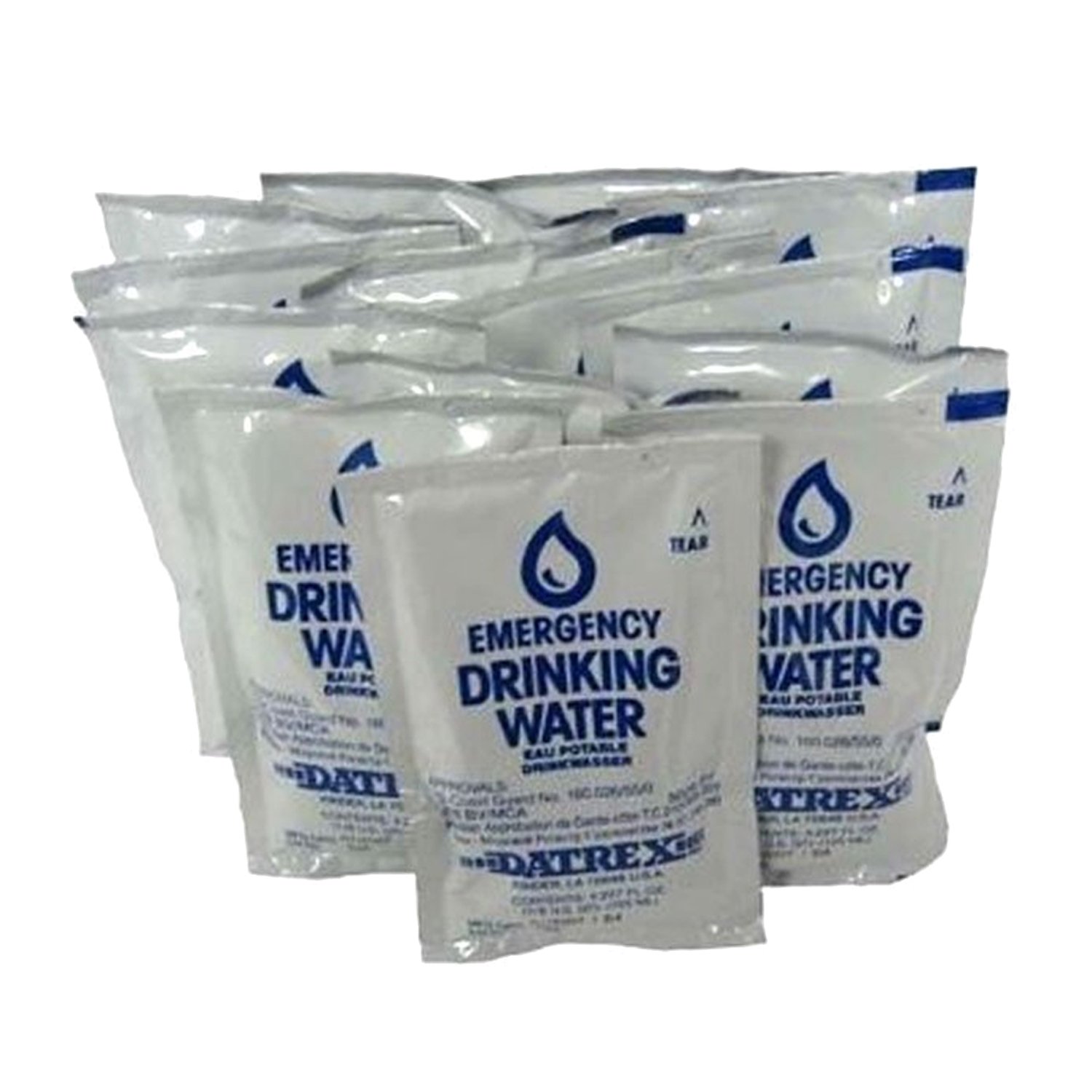
A 72-hour kit is exactly what it sounds like: a bag or box of supplies designed to keep you safe and functional for three days if something goes wrong — a power outage, a forced evacuation, a winter storm that cuts off roads. The Federal Emergency Management Agency (FEMA) calls 72 hours the minimum window you should be able to manage on your own before outside help typically arrives, and their Are You Ready? guide treats it as the baseline for every household, not just “preppers.” You don’t need to be an expert to build one. You need a prioritized list, a realistic budget, and the discipline to buy in the right order so you cover the most critical gaps first. That’s exactly what this guide does.
If you’ve already got a basic first-aid kit and some bottled water under the sink, you’re closer than you think. This article will tell you where you stand, what to buy next, and how to stretch $300 into a kit that covers water, food, light, communication, and basic medical needs — with clear tradeoffs at each price point so you can make decisions that fit your actual situation.
| EDITOR'S PICKJackery Portable Power Station… | Mid-tierGrizzly Gear Emergency Food Rat… | Budget pickPotable Aqua Water Purification… | |
|---|---|---|---|
| Type | Power station | Food ration | Water tablets |
| Capacity | 292Wh | 3600 cal | 100 tablets |
| Battery chemistry | LiFePO4 | — | — |
| Days covered | — | 3 days | — |
| Flavor | — | Vanilla poundcake | — |
| Qty included | 1 station | 1 bar | 2 bottles |
| Price | $199.00 | $21.99 | $8.97 |
| See on Amazon → | See on Amazon → | See on Amazon → |
The Prioritization Logic: Why Order Matters More Than the List
Most “72-hour kit” articles hand you a flat list of 40 items. The problem is that a flat list doesn’t tell you what to buy first when you’re working a real budget. The right order follows survival priority: water, then food, then shelter/warmth, then light and communication, then first aid. Power and convenience gear come last.
Here’s the decision frame: if you had to stop buying after spending $50, would you survive? After $100? After $150? Each spending threshold should add meaningful protection, not just check boxes.
Per Ready.gov’s Build a Kit guidance, the non-negotiables for any kit are:
- One gallon of water per person per day (three gallons per person for 72 hours)
- A minimum three-day supply of non-perishable food
- A battery-powered or hand-crank radio
- A flashlight with extra batteries
- A basic first-aid kit
- A whistle to signal for help
That list costs roughly $60–90 if you buy deliberately. Everything above that threshold is additive — and the guide below shows you exactly what each dollar tier buys.
The $300 Build: Tier by Tier
Tier 1 — $0 to $75: Water and Food First
Water storage and treatment: ~$30–40
Start with water. Nothing else matters until this is solved. The CDC’s Emergency Water Storage and Purification guidance recommends commercially sealed water as the most reliable option — it’s pre-treated, sealed, and doesn’t require you to trust your tap during an emergency.
The practical options at this tier:
- Stackable 1-gallon water jugs (Reliance Products or similar): Around $2–3 per gallon at most outdoor retailers. For a two-person household, you need 6 gallons minimum. Budget $15–18 for the jugs.
- Water purification tablets (Aquatabs or Potable Aqua): A 50-tablet pack runs $8–12 and treats up to 25 liters. These are your backup if stored water runs out or gets compromised. Owners consistently report that Potable Aqua tablets work reliably but leave a slight iodine taste — the neutralizing tablets sold alongside them fix that at minimal extra cost.
- LifeStraw Personal filter ($15–20): A straw-style filter rated for 1,000 gallons of contaminated water. It’s not a gravity system (you drink directly through it), but at this price point it’s the most affordable filtration insurance available. Reviewers note it’s best for individuals on the move, not household gravity filtering.
Food: ~$25–35
At this tier, you’re buying calorie density and shelf stability, not comfort. The calculus is simple: 2,000 calories per person per day, three days, minimum.
- Ready America or Everlit 72-hour food kits ($25–35 for a single-person kit): These pre-packaged kits typically include food bars rated at 3,600 calories total — enough for one person at a modest caloric intake. Owners report the bars are edible but monotonous. The tradeoff is zero prep required, no cooking, no water needed. For a two-person household, buy two.
- Alternatively, build your own for similar cost: peanut butter packets, granola bars, trail mix, and canned fish cover calorie needs and store 2–5 years without rotation. The math: roughly $15–20 feeds one adult for 72 hours at 1,800+ calories/day from shelf-stable groceries.
Running Tier 1 total: $55–75. At this point, two people can survive 72 hours on water and food alone. That’s the baseline.
Tier 2 — $75 to $150: Light, Communication, and Shelter
Flashlight and batteries: ~$15–25
The Energizer Weatheready and similar mid-range LED flashlights rated at 300–500 lumens run $15–22 and take AA batteries, which are cheap and interchangeable with your radio. Reviewers consistently prefer LED models over incandescent for runtime — a 300-lumen LED often runs 10–15 hours on a single battery set versus 3–5 hours for older bulb designs.
One headlamp is worth adding here. The Black Diamond Spot 400 ($40) or the more budget-friendly Petzl Tikkina ($20) frees your hands during an outage. Owners report the Tikkina punches above its price for basic use; the Spot 400 earns its premium with a higher lumen ceiling and more beam modes.
Emergency radio: ~$30–50
The Midland ER310 (~$50) is the decision anchor in this category. It covers AM/FM and NOAA weather alert bands, includes a hand-crank and solar charging panel, and can serve as a USB power bank to charge your phone. Based on published specs, the ER310’s internal battery holds about 2,000 mAh — enough to charge a smartphone roughly 50–60%. Owners report the hand crank charges slowly (expected — it’s a backup to the backup), but the NOAA weather alert function works reliably and activates automatically during broadcasts.
A lower-cost alternative: the Kaito KA500 (~$30) covers similar bands and adds a reading lamp. It’s a legitimate Tier 1 substitute if the ER310 is out of stock or over budget.
Thermal emergency blankets: ~$8–12
A 4-pack of mylar emergency blankets (brands like Swiss Safe or similar) costs $8–12 and fits in a jacket pocket. Manufacturer-rated reflectivity claims vary, but reviewers across multiple platforms consistently report they’re effective at reducing heat loss in cold-weather scenarios even though they’re uncomfortable to sleep in. Buy them; they weigh nothing.
Running Tier 2 total: $130–160. You now have water, food, light, and weather information. Most household emergencies end here.
Tier 3 — $150 to $300: First Aid, Power, and System Upgrade
First-aid kit: ~$25–40
The American Red Cross recommends a minimum kit covering wound care (gauze, adhesive bandages in multiple sizes), antiseptic wipes, a digital thermometer, pain relievers, and an emergency first-aid guide. Ready America’s 70-piece kit (~$25) covers these basics. If your household includes anyone with specific medical needs, build around those first.
For a meaningful step up, the First Aid Only Pro Series 299-piece kit (~$40) covers everything the basic kit does and adds a more complete trauma supply (Israeli-style pressure dressing, larger gauze pads, more tourniquets). Consumer Reports’ emergency preparedness coverage consistently notes that the biggest gap in most home kits is wound-packing supplies for serious injuries — the Pro Series addresses that gap at reasonable cost.
Portable power: ~$60–100 (budget option) or $180–250 (quality investment)
This is where the tradeoff conversation gets real.
The budget path: Anker 521 Portable Power Station (~$100) offers 256Wh capacity with AC outlets and USB ports. Based on published specs, it can charge a smartphone roughly 20 times or run a small LED lamp for 15–20 hours. Owners report it’s reliable for basic device charging but undersized for anything beyond phones, a radio, and small lights.
The investment path: Goal Zero Yeti 200X (~$200–250) is manufacturer-rated at 187Wh but engineered for expandability — it accepts Goal Zero Nomad solar panels via a compatible port, allowing recharging without grid power. If a 72-hour outage stretches to 5–7 days (which FEMA notes can happen in major natural disasters), a solar-capable unit extends your window significantly. Owners consistently report the Yeti 200X charges phones, a CPAP for several nights, and LED lighting with capacity to spare.
The decision rule: If you’re in an apartment and your primary scenario is a 72-hour urban outage, the Anker 521 covers you adequately. If you’re in a suburban or rural area where outages historically run longer, the Goal Zero Yeti 200X’s solar compatibility makes it the better long-term investment even at twice the price.
By the Numbers
| Tier | What You Get | Approx. Cost |
|---|---|---|
| Tier 1 (Water + Food) | 6 gal water, filtration backup, 3-day food supply | $55–75 |
| Tier 2 (Light + Comms) | LED flashlight, headlamp, weather radio, mylar blankets | $55–85 |
| Tier 3 (Medical + Power) | First-aid kit, portable power station | $85–140 |
| Full kit total | Complete 72-hour coverage, 1–2 people | $195–300 |
Common Assembly Mistakes (and How to Avoid Them)
Buying the bag before the contents. Pre-assembled “survival backpacks” from Amazon often look impressive and deliver weak components — cheap whistles, low-capacity water pouches, and generic first-aid kits padded with redundant items. REI’s Expert Advice emergency preparedness guide recommends building the kit first, then finding a bag that fits it. The bag is the last purchase, not the first.
Under-buying water. The one-gallon-per-person-per-day number from FEMA assumes moderate climate and minimal physical activity. In a summer heat emergency or if anyone in your household is sick, that number climbs to 1.5–2 gallons per person per day. Build in margin.
Not rotating food. Even shelf-stable foods have expiration dates. Set a calendar reminder every 12 months to check and replace anything within 6 months of its expiration. Emergency Essentials and similar long-term food suppliers offer options with 25-year shelf lives that reduce rotation burden significantly — a worthwhile upgrade when you’re ready to spend more.
The Decision Rule
If your household has zero kit today: Start at Tier 1. Spend $60–75 on water and food this week. Add Tier 2 next month. This works. Partial coverage beats perfect coverage you haven’t bought yet.
If you have scattered supplies but no organized kit: Audit what you have against the Tier 1 list first. Fill gaps before buying anything new. Most people who think they’re at Tier 2 discover they’re actually missing core Tier 1 items.
If you’re choosing between the budget power station and the Goal Zero: The Anker 521 is the right call for apartment dwellers in urban environments. The Goal Zero Yeti 200X is the right call for anyone in a suburban or rural setting, anyone who owns solar panels already, or anyone whose household includes a medical device (CPAP, nebulizer) that needs reliable overnight power.
Build in order. Cover the base layer completely before moving up. At $300, you’re not just checking a box — you’re genuinely prepared for the scenarios that actually happen.